

SIGNALS FROM
THE FUTURE.
10 MINUTE READ. PUBLISHED 15 DEC 2025. UPDATED 11 JAN 2026.
CREATIVE COMMONS CC BY ELECTRO STRATEGY STUDIO. WRITTEN BY ADRIAN JARVIS.
TL;DR A better future is already visible in small, practical shifts: builders setting the tone, AI behaving like quiet infrastructure, public assets treated as core systems, markets rewarding patience and arguments grounded in evidence rather than myths. Here is a short field guide to those signals, so leaders can spot where things are genuinely moving in the right direction and decide where they want to build next.
CREDIT: Seres Factory, Chongqing City
DECODING A WORLD REDEFINED BY COMPUTE AND CULTURE WARS.
The future is opaque. Sometime around the Millennium we stopped imagining futuristic skylines, magical technologies and gull-wing vehicles that could silently float through our cities. All the while, computing and our expectations from life accelerated. And, perhaps we started looking back nostalgically to a past that we survived, rather than face a future framed by divisive ideology and our potential extinction?
Against the noise of markets, culture, politics and a media-framed spectacle the positive signals are harder to see. Though when we scratch the surface of how we work, how cities really pulse, how data can be used, how AI could improve our everyday... there is a vision that’s bigger and better than we have become conditioned to imagine.
Here we map 10 signals. These are not predictions, rather practical clues that many things can shift in the right direction... and a point to ask, where do we go next?
1. THE BUILDERS ARE BACK.
A better future starts when the builders set the agenda. When we talk more about making, fixing and learning. When engineers, designers and operators sit in the same room as stakeholders, technology starts being framed as a catalyst for positive change.
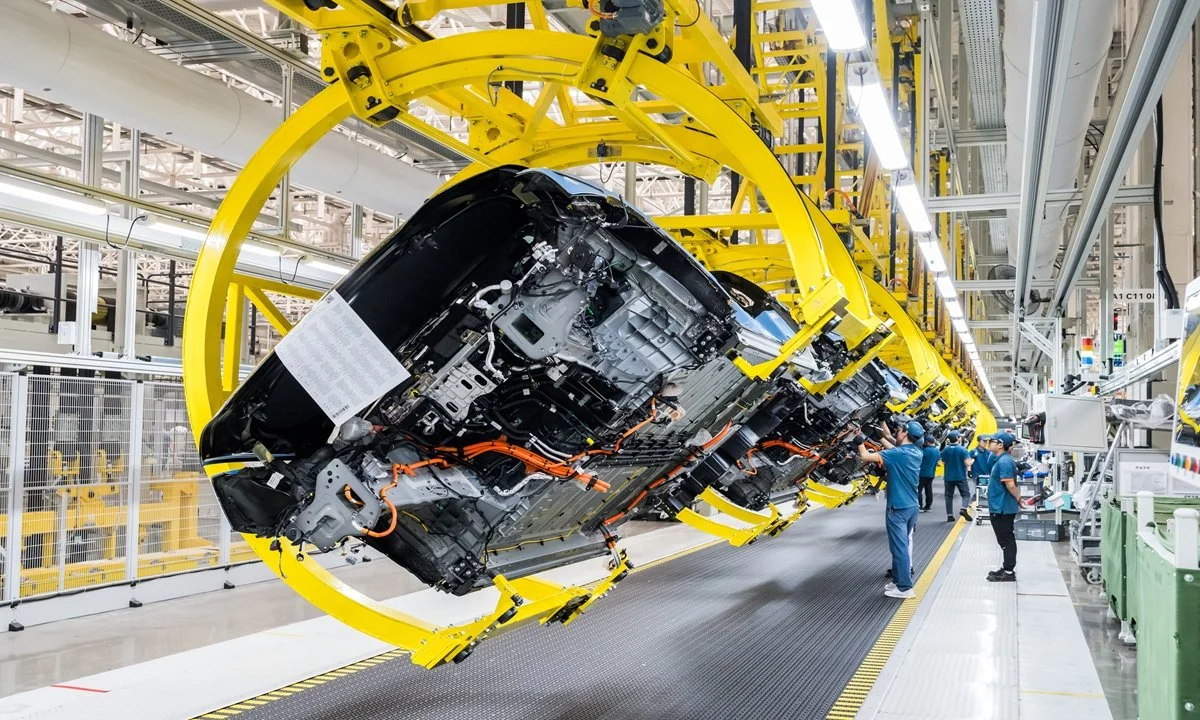
e.g. China’s lighthouse factories are rewarded for changing workflows to connect engineers and digital teams with the factory floor. Auto parts plants in Shenzhen implemented digitisation and automation to increase productivity by 60% and reduce energy use by 27%; showing how smart factories can sustainably improve production.
When builders hold the mic, progress becomes something you can feel and point at.
2. ARTIFICIAL INTELLIGENCE IS BORING.
There are strong signals that AI has started to feel everyday. Like the internet, AI is becoming systemic electricity; always there and quietly useful. We are talking more about imagination than hallucinations. And as we refocus, AI regulation and frameworks are informing safer design.
e.g. Predictive maintenance at Deutsche Bahn monitors the railways to look for potential failures, so that maintenance can be planned in advance. Real-time telemetry from sensors across the national network helps reduce delays before they cascade across schedules.
People are staying in charge, while machines take the grind and spark our creative thinking.
3. PUBLIC ASSETS ARE CHERISHED.
A better future needs hospitals, schools, and local services that work for the communities they serve. Public assets are the base layer of an economy that aims for prosperity and equity. As we design systems that recognise barriers and disadvantage, the debate shifts to outcomes rather than profit. Participation leads to greater sharing of data, failures and fixes.
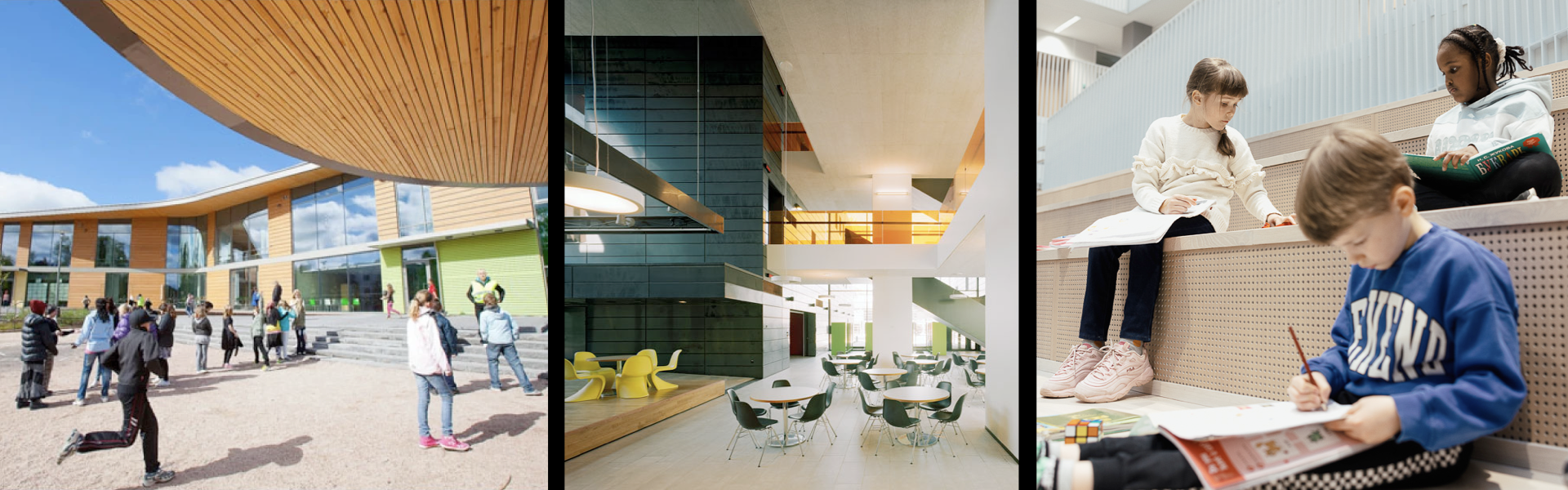
e.g. Finland’s national education programme is backed by targeted grants to tackle structural inequality. Ensuring non-selective public schools can deliver positive outcomes for every student, despite unequal resources and cultural barriers.
When public systems are stable and available, we can lean into risk and innovation.
CREDIT: Kirkkojärvi School, Espoo / Joensuu Kyceum, Joensuu / This Is Finland
4. PATIENCE IS REWARDED.
Short-term views of markets cause economies to overheat. Better futures focus on longer-term horizons. We are starting to talk about corporate health in 2035, not just Q4. Investors are supporting steady, boring infrastructure: rail, grids, housing, local manufacturing. Returns from extractive, exploitative models are slowly coming under pressure from regulators and public opinion.
e.g. The updated ELTIF 2.0 is making European Long-Term Investment Funds more flexible for investors. Helping support real-economy projects with longer, multi-year horizons especially for infrastructure and with smaller enterprises.
When patience is back in fashion, everyone can plan: companies, families, civic leaders...
5. CLARITY REPLACES CHARADES.
Debate is hard when it starts with ideology rather than evidence. Claims about tax, immigration, crime or climate need a link to published data. We need to show uncertainty and context, while accepting that two things can be true at once. Data does not solve political manipulation, though, it does make lying harder. There is value in facts over fiction.
e.g. Full Fact’s evidence to the UK Parliament set out how technologists and researchers are monitoring false and misleading claims. Pushing for high-risk statements on health, elections and immigration to always be supported by primary data and sources.
It is modest progress; verified claims are the foundation for building futures for all.
6. CLIMATE IS LOCAL.
The strongest climate signal is the everyday work on grids, homes and streets. City budgets in cities from Helsinki to Seoul are starting to match plans to reduce congestion and emissions. Heat pumps and public transport are no longer political statements. Industry and logistics are exploring pathways for tackling demand for both growth and sustainability.
e.g. South Korea’s Basic Green Building Plan ensures apartment blocks and larger buildings meet zero-energy standards. Remodelling public buildings ties modernisation into city’s 2050 roadmap.
When climate planning feels like action, progress is actually happening.
CREDIT: Future Travel / Anne Hidalgo
7. CITIES ARE KINDER.
We care about places, from their heritage to active culture. Our future is showing up in the streets. Pavements are wider, crossings are safer and public spaces are better looked after. Local communities want a balance of chains with independents. Civic activity is economic policy, beyond fixing social issues and promoting commerce.
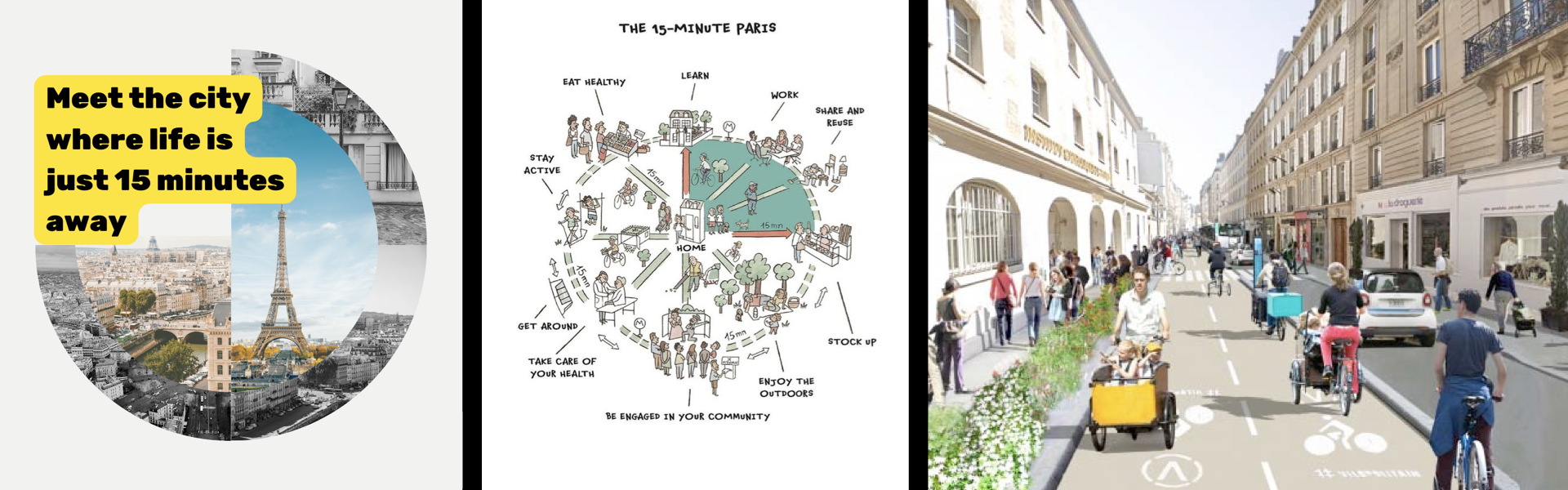
e.g. Parisians voted to pedestrianise 500 more streets, removing 10K parking spaces and expanding “green lung” streets to 700. The city continues to challenge conspiracy theories to design a 15-minute model with local schools, shops and services within a short walk, scoot or cycle.
When a city feels kinder for everyone, things are moving in the right direction.
8. WORK RESPECTS FOCUS.
Better futures need productivity and intent, especially against a backdrop of digital noise. While Slack threads and back-to-back calls tend to flatten judgement, teams that have ‘focus time’ often solve our hardest problems. As we encourage less redundant effort, we are starting to remember that often “great things take time” and that flexible time is important.
e.g. Across the world, 4-Day Week Pilots are trialing reduced hours with retained remuneration. Data from the UK show stable or improved productivity. Added benefits are lower burnout and higher employee retention. 90% of organisations have continued a compressed work pattern.
Quiet time and space to think is a commercial necessity... and a social good.
9. VALUE TAKES ON TALK.
Narratives about technology and sustainability have become a smoke screen in many companies. A better future comes from a strategic north star, clear must-win battles and proof of concrete customer value. There is a push for straightforward, honest propositions that everyone recognises.
e.g. IKEA launched a new kitchen planning service that aims to support 1,75MM design projects a year; helping customers test combinations and layouts, from efficient planning to sustainable assembly.
Beyond telling stories, real experiences have to meet brand narratives.
10. MAKING AT THE EDGES.
The last signal is personal: the steady hum of people making things that do not fit into neat categories. Musicians, coders, writers and makers who have stopped waiting for permission; small collectives form and flex, connecting around shared goals and interests.
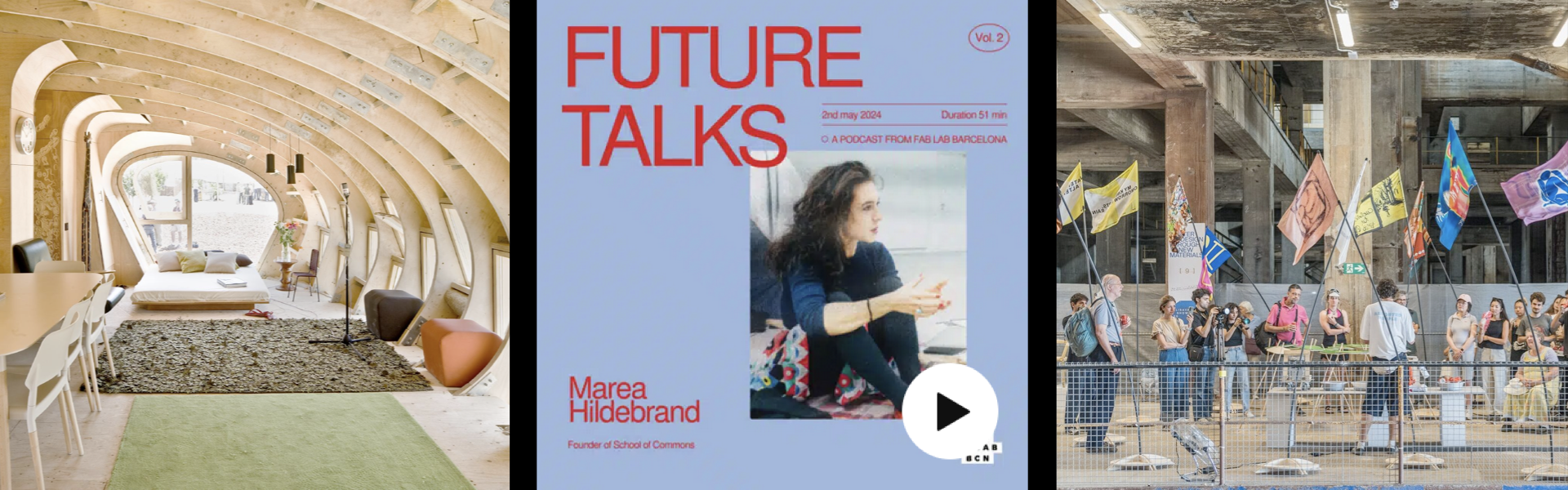
e.g. Fab Lab Barcelona treats emergent design as exploring complex systems; testing ways to produce and provide more of what people need, closer to where they live.
The margins is where the future comes from, years before most people notice.
CREDIT: Fab Lab Barcelona
GET IN TOUCH TO DISCUSS BRANDS, CULTURES AND FUTURES…
This article was written by Adrian Jarvis, who founded ELECTRØ, an independent strategy studio based in London. Building on a master’s degree in AI and System Dynamics, Adrian has over 30 years experience of working with enterprises of all sizes. The principles discussed here are highly scalable from start-ups to multinationals, across a range of categories. Find out more.